
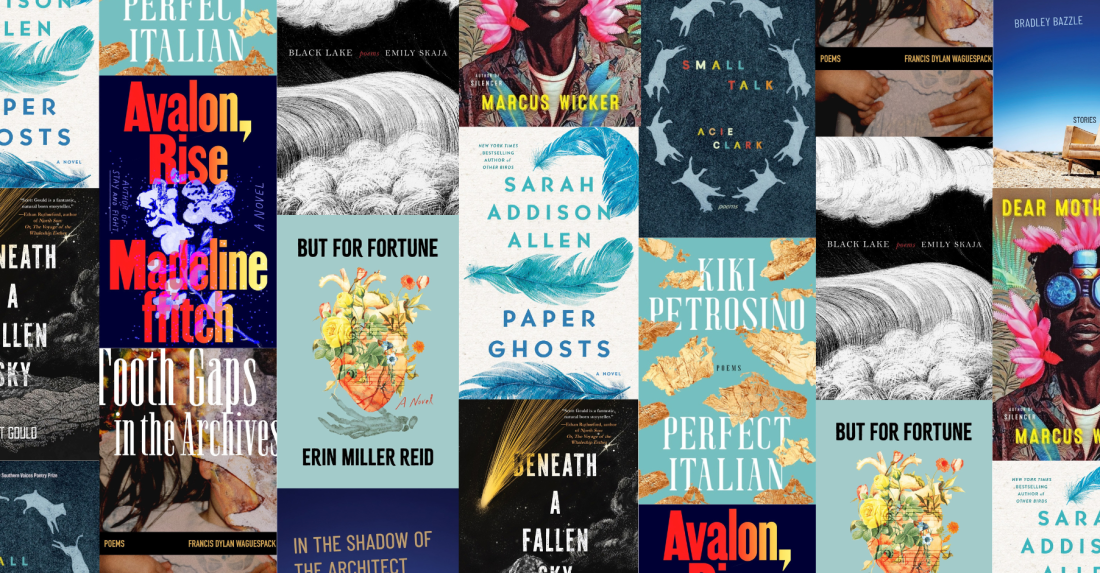
Happy Autumn, y’all! Here’s your regular reminder that reading is essential for keeping our minds sharp and continually developing our understanding of the world. It’s a wonderful act of both resistance and rest, so hop to it. If you’re looking for something new to read, check out this list of new Southern releases!
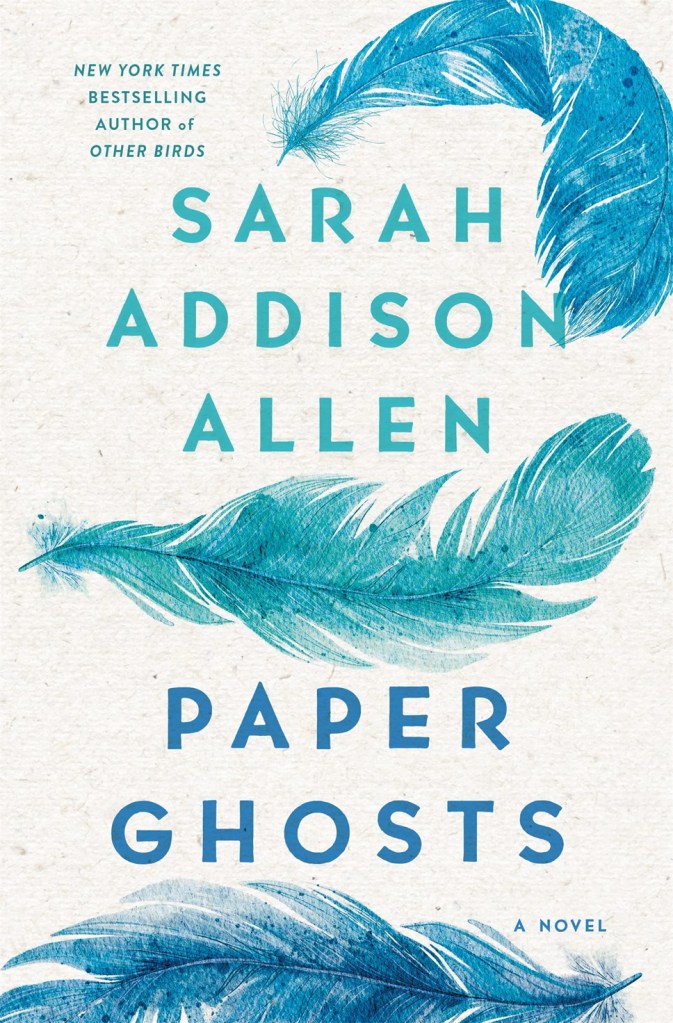
Paper Ghosts
By Sarah Addison Allen
September 1, 2026
St. Martin’s: “In a small North Carolina town, Wester House has stood in its richest neighborhood for decades, and The Wester women have held the town enthralled for generations. Some folks love them. Some folks fear them. But no one truly understands them… Sarah Addison Allen’s lyrical prose, steeped in magical realism, will transport you to a place where enchantment is around every corner, and love finds a way of bringing us home.”
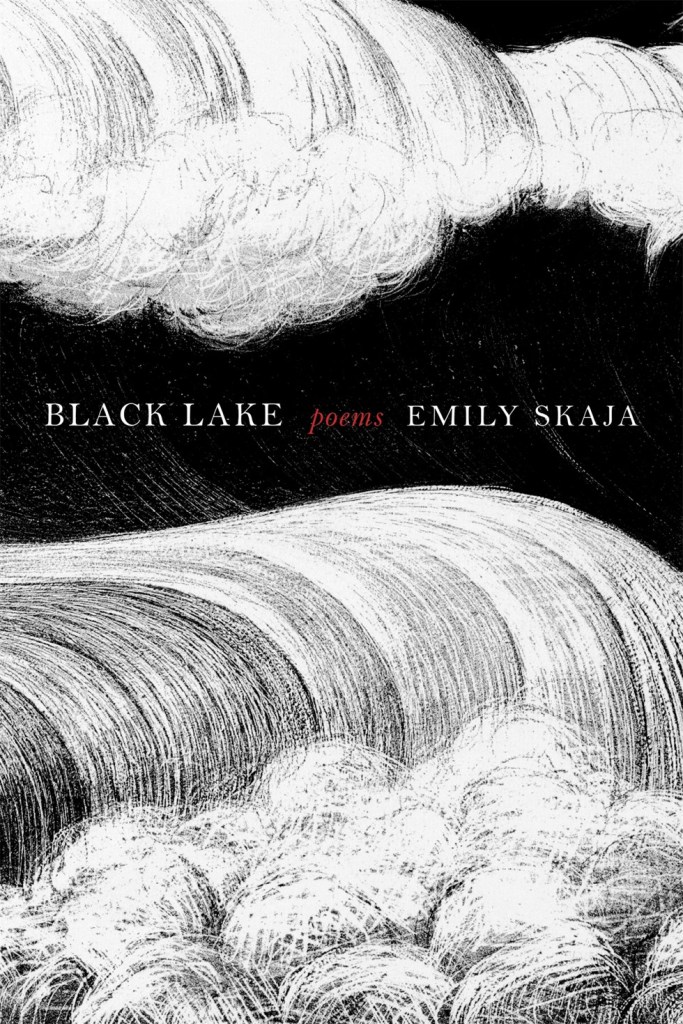
Black Lake
By Emily Skaja
September 1, 2026
Graywolf: “The black lake at the center of Emily Skaja’s brilliant and startling second collection is a watery abyss of grief without bottom, threatening to drag her down into its depths. Her only escape, she believes, is to conceive and carry a child, but multiple miscarriages bring her to the brink of drowning. At the same time, the political and cultural turn of post-Roe America imperils basic human rights as essential health care for women now hangs in doubt.”
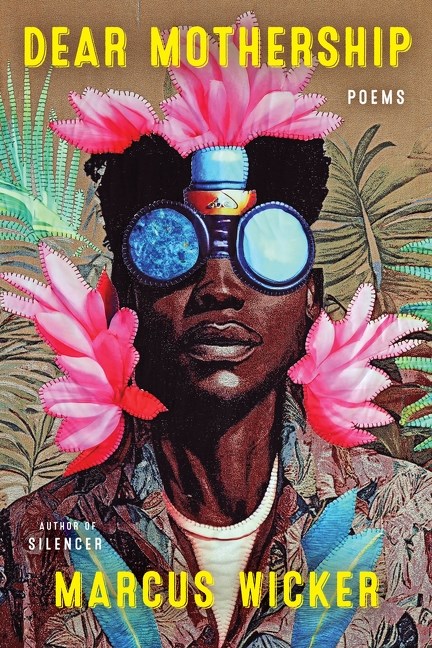
Dear Mothership
By Marcus Wicker
September 8, 2026
Ecco: “The collection’s centerpiece is the “Break Beat Crown” — Wicker’s original take on the heroic crown of sonnets — presented as a travelogue from an extraterrestrial who has touched down in modern-day Atlanta. Across linked poems, the outsider records field notes on pandemic discord, isolation, tenderness, late-stage capitalism, empathy, and art. The longer the speaker inhabits a dysfunctional society, the more alien he feels. In addition to these science fictional experiments, Wicker delivers affecting, personal poems grounded in lived experience: lingering grief over two miscarriages, the sudden death of a friend, a sustained search for joy on the other side of those heartbreaks.”
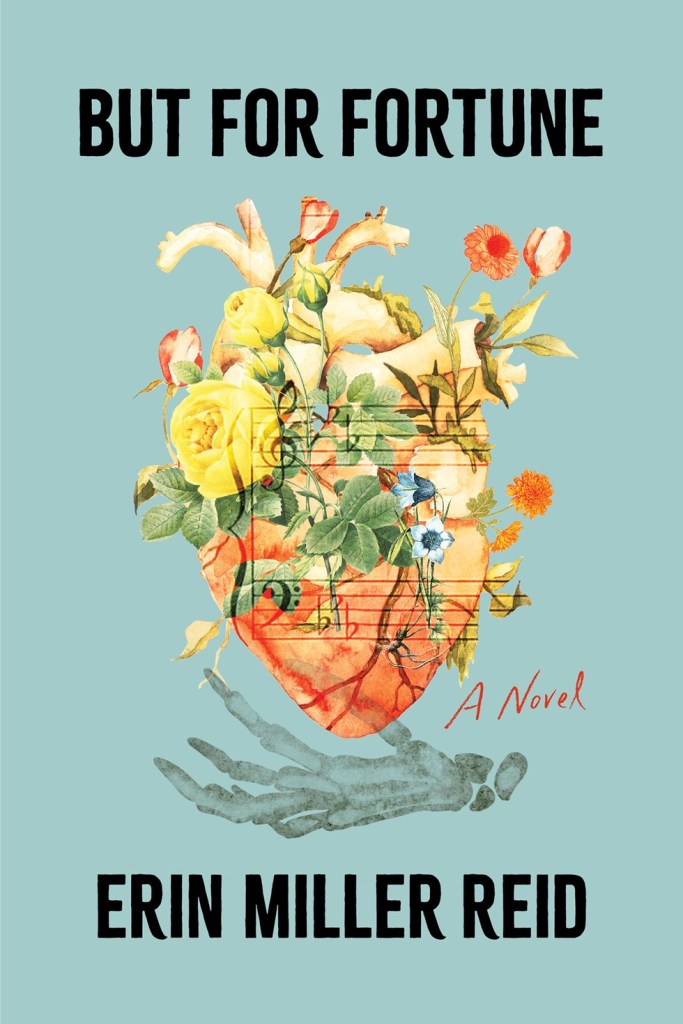
But for Fortune
By Erin Miller Reid
September 15, 2026
Kentucky Press: “Blooming from the seeds of author Erin Miller Reid’s family history, But for Fortune follows two women fifty years apart as they attempt to give voice to their own silenced realities. What unfolds is a whirling intergenerational exploration of mental illness, discrimination, and the insidious nature of family secrets. Writing in lush prose and drawing on her own experiences as a doctor, Reid weaves together a story that is at once incisive, heartfelt, and deeply human.”
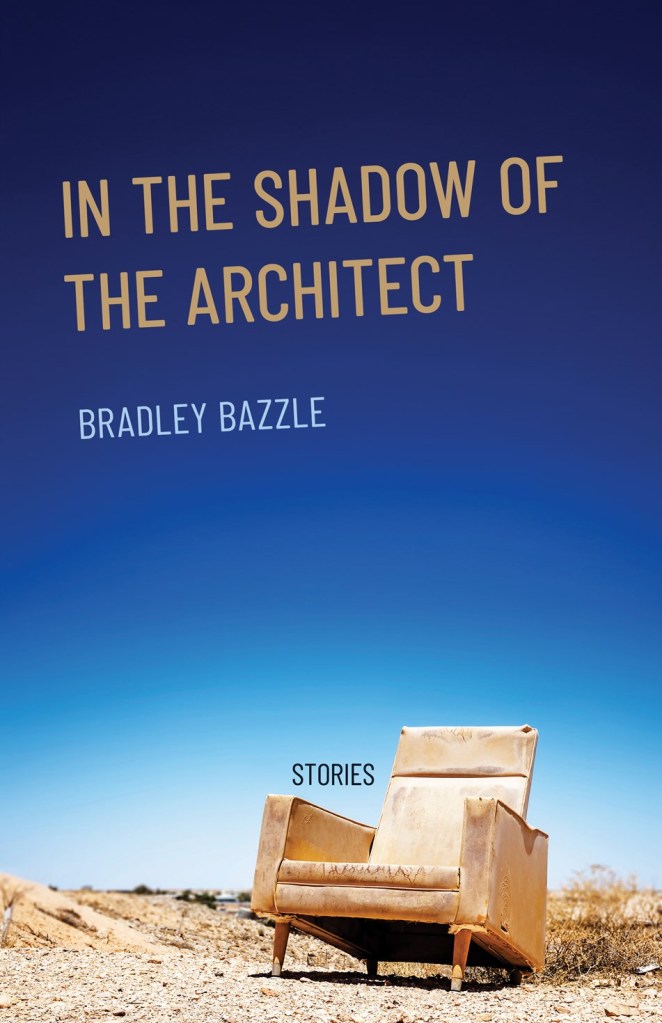
In the Shadow of the Architect
By Bradley Bazzle
September 15, 2026
University of Wisconsin Press: “In these grounded, surprising stories, relatable characters are forced to grapple with who they are — and who they could become. A closeted teenager learns from the nude model in his life-drawing class what it might mean to be a gay man in Fort Worth. A lifestyle blogger looking to expand her influence hires a photographer whose work destabilizes her seemingly perfect family. A boy finds friendship in the precocious daughter of a recently deceased architect whose fame and force of personality continue to dominate their lives.”
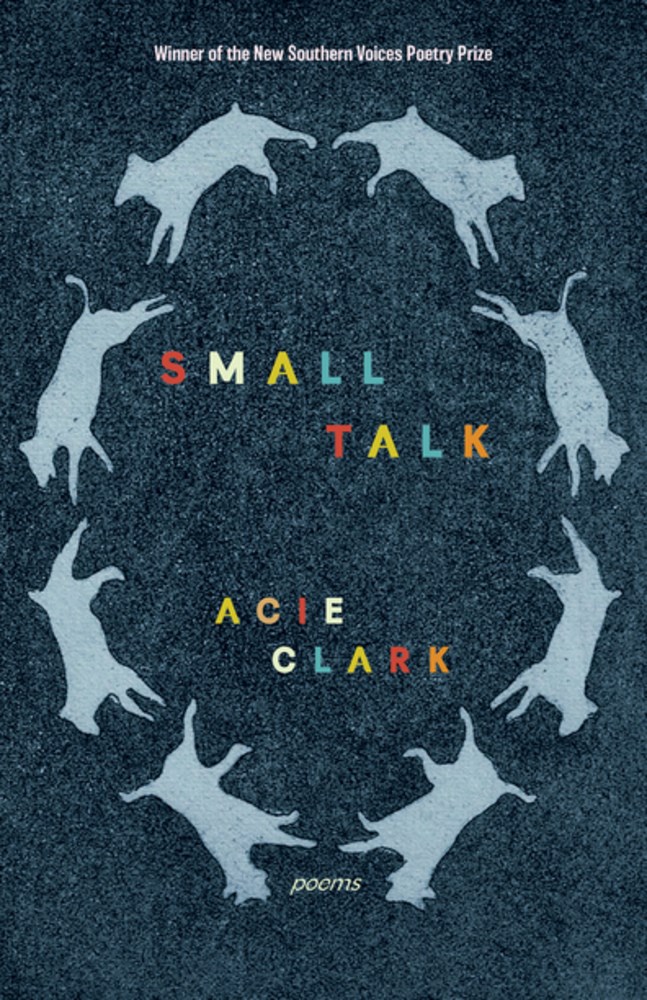
Small Talk
By Acie Clark
September 22, 2026
Hub City: “Acie Clark wants to talk. In his debut collection, Clark reconsiders our relationship to talking about work and the weather. These poems tell the story of a trans man coming into a new literal and figurative voice while finding language for the world around him. In platonic love poems, interfaith self-talk, and images of the queer South, Clark calls contradictions into question and insists on the power of the conjunction and the hyphen. Small Talk works in both lyric and narrative traditions of trans poetics and spiritual writing.”
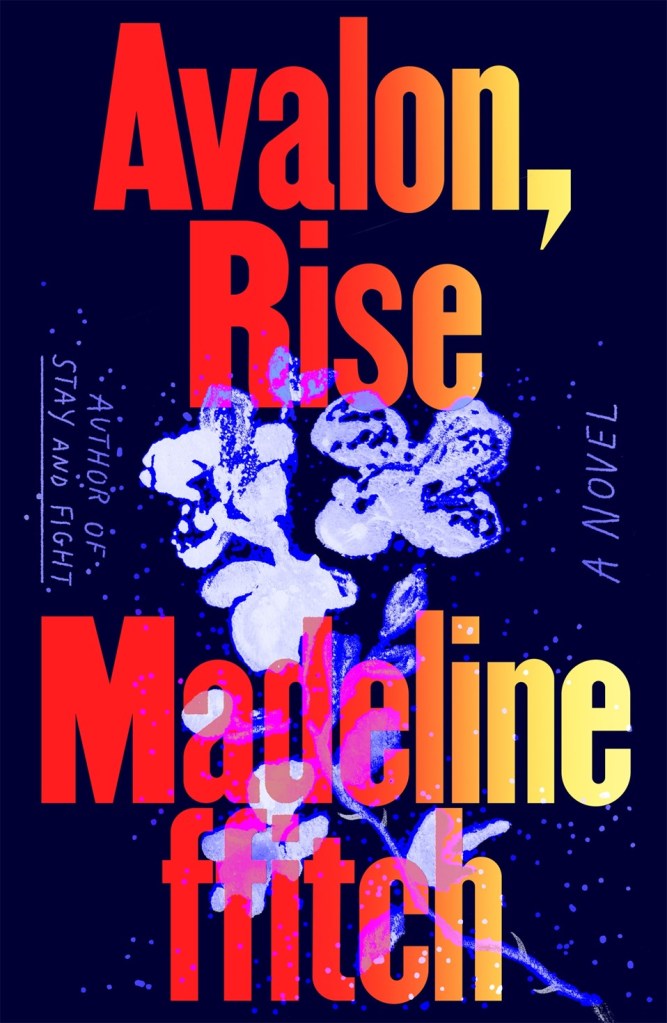
Avalon, Rise
By Madeline ffitch
September 22, 2026
FSG: “From the acclaimed author of Stay and Fight comes an uproarious, unabashed novel of an Appalachian town, the diverse locals who make it home, an influx of white nationalists trying to take over, and the ways in which the battle brings out our light.”
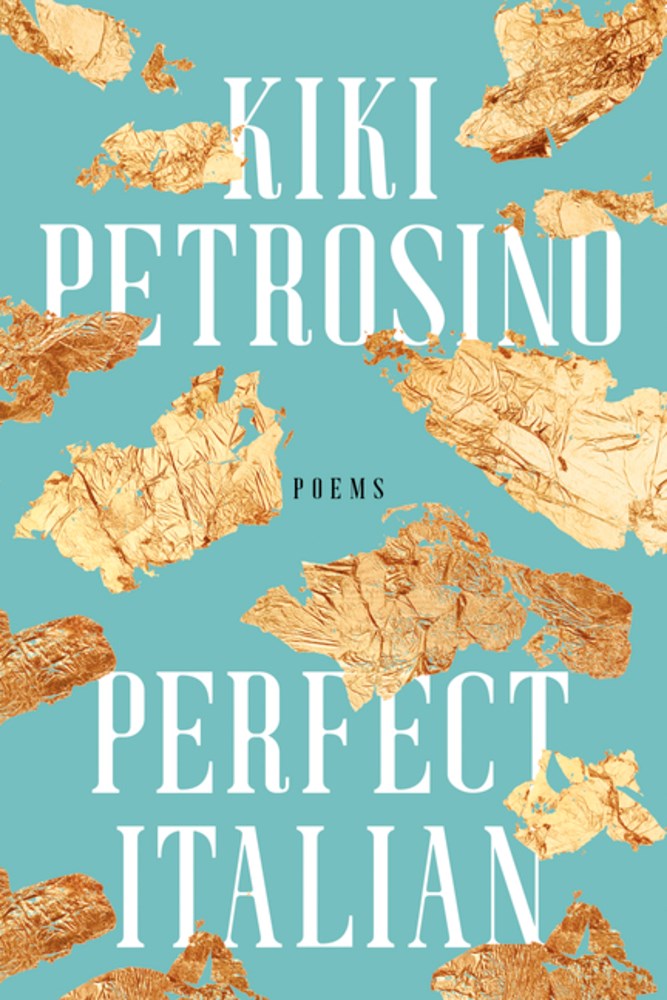
Perfect Italian
By Kiki Petrosino
September 22, 2026
Sarabande: “Through vivid imagery and spare, precise verse, Kiki Petrosino’s Perfect Italian examines the complexities of cultural inheritance, the nuances of language, and the emotional weight of diasporic identity as a Black and Italian American. Her language creates a rich tapestry of emotions and landscapes, offering a profound meditation on the intersections of race, culture, and belonging.”
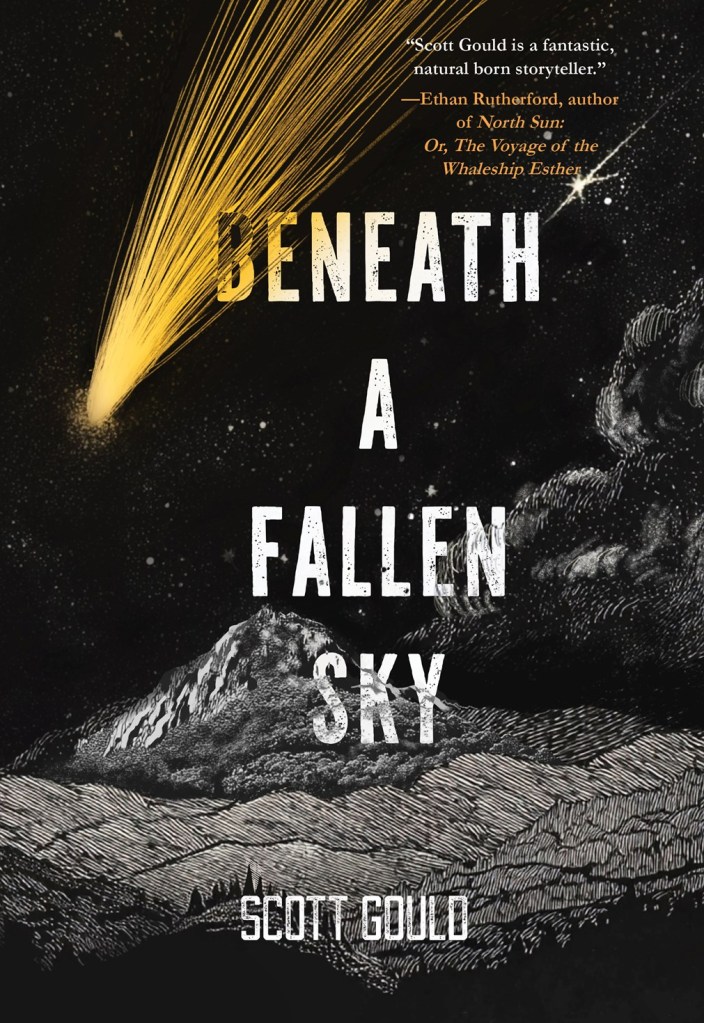
Beneath a Fallen Sky
By Scott Gould
September 29, 2026
Regal House: “May 1910. As Halley’s Comet hurtles toward Earth, panic grips the mountains of northeast Alabama. Experts predict the end of all life, and in Fort Payne, four townsfolk face their final days. Charlie McCracken continues his mail route up Sand Mountain, caring for an elderly Cherokee woman who escaped the Trail of Tears. His aunt Zona baptizes terrified townsfolk for a quarter each, preaching her improvised scripture. Sheriff Tyus Wetley struggles to hold his anxious town — and his marriage — together, while brothel madam Elva Shugart seeks redemption as the heavens prepare to fall. Over four harrowing days, their paths collide in unexpected and sometimes violent ways. Beneath a Fallen Sky is a sweeping, unforgettable portrait of fear, faith, and the resilience of hope when the world seems poised to end.”
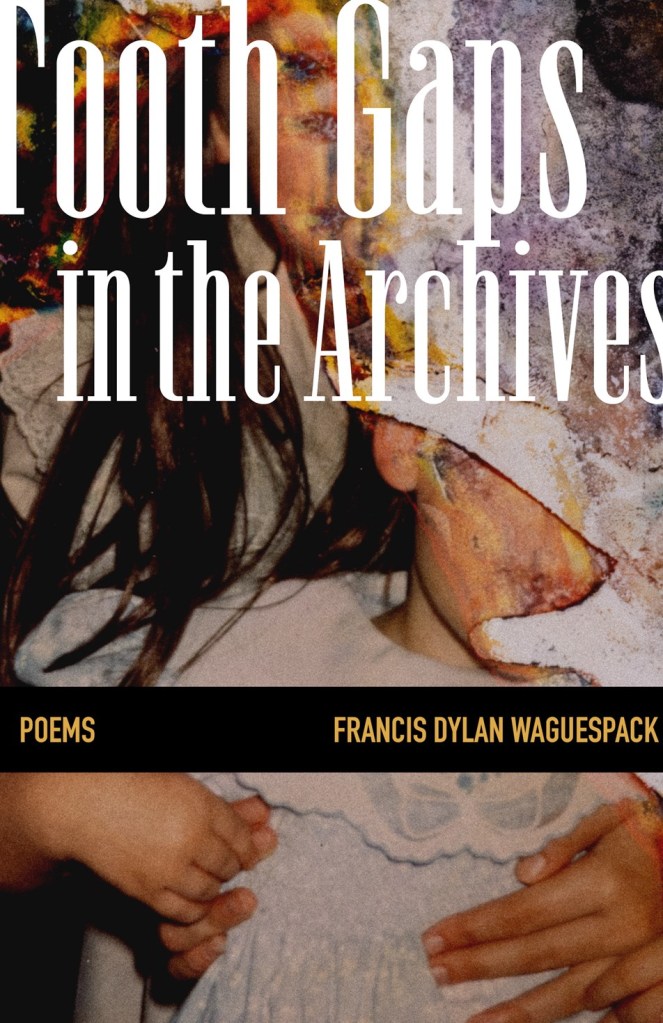
Tooth Gaps in the Archives
By Francis Dylan Wagues
September 29, 2026
Button Poetry: “Set in Southeast Louisiana — one of the last regions in the contemporary United States to resist full Americanization — Tooth Gaps in the Archives traces how place-based cultural memory persists beyond its disappearing geography and amid a cycle of forced migration, an emerging domestic climate diaspora, and the slow violence enacted against a people whose power has been systematically withheld through regulatory capture. In Tooth Gaps, Louisiana is not rendered as the unlucky exception or a site of tragedy, but as a resource extraction colony, its people asked to disappear quietly to facilitate the commodification and consumption of their land, labor, and culture.”


